larodar keeper of the flame guide
Larodar, Keeper of the Flame: A Comprehensive Guide
Welcome, adventurers! This detailed guide provides strategies for overcoming Larodar, Keeper of the Flame, a challenging encounter within Amirdrassil, the Dream’s Hope raid․
We’ll cover mechanics, positioning, and tactics for Normal, Heroic, and potentially Mythic difficulties, drawing from Wowhead’s comprehensive resources and community insights․
Prepare to master the Ember of Maruuk, Scorch tiles, and Ignite phases to emerge victorious against this fiery guardian, ensuring raid success and valuable loot!
Larodar, Keeper of the Flame, resides deep within the Amirdrassil raid, serving as a formidable protector of the dream’s hope․ This encounter tests a raid’s ability to manage complex, stacking mechanics and maintain precise positioning throughout multiple phases․ Players will face escalating challenges involving fiery embers, scorching tiles, and an intense Ignite phase demanding quick reflexes and coordinated responses․
The fight emphasizes awareness of both individual responsibilities and the raid’s overall strategy․ Success hinges on understanding Larodar’s ability patterns and adapting to the increasing difficulty as the encounter progresses․ Wowhead highlights the importance of clear communication and pre-planning for optimal performance․ Expect a dynamic battle requiring constant movement and focused execution to overcome the Keeper’s fiery onslaught․ Preparation is key to conquering this challenging boss!
Boss Overview & Abilities
Larodar is a large, imposing dragon-like creature wielding immense fire magic․ Her abilities center around manipulating embers and creating zones of intense heat․ Key abilities include Ember of Maruuk, which requires players to quickly move away from growing fiery zones, and Scorch, leaving behind damaging tiles that demand careful avoidance․
As the fight progresses, Larodar unleashes Ignite, significantly increasing the frequency and intensity of her attacks․ She also summons Flame Imps, adding to the raid’s workload․ Wowhead details that understanding the timing and range of these abilities is crucial for survival․ Mastering these mechanics, alongside effective raid coordination, is essential for defeating Larodar and progressing through Amirdrassil․
Phase 1: Initial Encounter & Ember of Maruuk
The initial phase focuses on managing Ember of Maruuk․ Larodar casts this ability frequently, creating expanding zones of fire that inflict substantial damage․ Players must immediately move to avoid being caught within these embers․ Wowhead emphasizes the importance of pre-positioning and having a clear escape route planned․
During this phase, Larodar also utilizes basic fire attacks and summons minor Flame Imps․ Prioritize quickly eliminating these adds to reduce raid damage․ Maintaining awareness of the ember’s growth and coordinating movement are paramount․ Successful navigation of Ember of Maruuk sets the foundation for handling the more complex mechanics in subsequent phases․
Understanding Ember of Maruuk Mechanics
Ember of Maruuk isn’t a single, static effect; it’s a dynamic mechanic demanding constant attention․ According to Wowhead, the ember appears as a circular zone that rapidly expands over several seconds․ The damage dealt is significant, making avoidance crucial․ What’s key is recognizing the cast time and the expansion rate to predict safe zones․
Furthermore, embers can overlap, creating larger, more dangerous areas․ Players should avoid stacking, ensuring sufficient space for individual movement․ The timing of these casts is somewhat predictable, allowing for proactive positioning․ Mastering this mechanic is fundamental to surviving Phase 1 and minimizing unnecessary raid damage․
Positioning During Ember of Maruuk
Effective positioning during Ember of Maruuk is paramount for raid survival, as detailed by Wowhead․ A staggered, spread-out formation is highly recommended․ Avoid clustering, as overlapping embers quickly become lethal․ Designate clear movement paths for each player, minimizing the risk of collisions during the expansion;
Consider using raid markers to pre-plan safe zones and rotation patterns․ Tanks should maintain awareness of the boss’s position while also prioritizing ember avoidance․ Melee DPS need to be particularly mindful of their proximity to the boss and the expanding zones․ Consistent communication is vital to ensure everyone understands the current and predicted ember locations․
Phase 2: Scorch & Lingering Embers
Phase 2 introduces Scorch tiles and Lingering Embers, significantly increasing the encounter’s complexity, as outlined by Wowhead․ Larodar begins casting Scorch, leaving behind fiery tiles that inflict substantial damage․ These tiles require precise avoidance, demanding quick reactions and pre-planned movement․ Simultaneously, Lingering Embers spawn, persisting on the ground and dealing damage over time․
Prioritize avoiding Scorch tiles while efficiently dealing with Lingering Embers․ Assign raid members to focus fire on embers near the group․ Maintaining a spread formation minimizes the impact of both mechanics․ Healers must anticipate increased damage intake from both sources and adjust their healing output accordingly․ Careful coordination and awareness are crucial for navigating this phase successfully․
Scorch Tile Mechanics & Avoidance
Scorch tiles, as detailed by Wowhead, are the defining feature of Phase 2, demanding precise raid positioning and movement․ Larodar casts Scorch, creating several tiles on the ground that persist for a considerable duration․ Standing within a Scorch tile results in significant, unavoidable damage, potentially leading to swift deaths․
The tiles appear with a clear visual indicator, giving players a brief window to react and move to safety․ Pre-planning movement routes and utilizing raid markers can aid in efficient avoidance․ Maintaining a spread formation is vital, as clustered groups are more susceptible to simultaneous tile impacts․ Prioritize awareness of your surroundings and anticipate tile placement to minimize risk․ Quick reflexes and coordinated movement are key to surviving the Scorch phase․
Dealing with Lingering Embers
Following the Scorch tile deployment, Lingering Embers spawn, adding another layer of complexity, as outlined by Wowhead․ These embers are smaller, mobile flames that seek out raid members, applying a stacking debuff․ This debuff increases damage taken from subsequent embers, quickly becoming lethal if left unchecked․
Assigning dedicated players to intercept and kite the Lingering Embers is crucial․ Classes with strong mobility and defensive cooldowns excel in this role․ Prioritize kiting embers away from the main raid group to prevent widespread debuff application․ Healers must be prepared to provide consistent healing to those handling embers, mitigating the stacking damage․ Effective communication and coordinated kiting are essential for managing this mechanic and preventing raid wipes․
Phase 3: Ignite & Increased Intensity
Phase 3, the Ignite phase, dramatically increases the encounter’s difficulty, as detailed by Wowhead․ Larodar’s damage output significantly rises, and the frequency of all previous mechanics intensifies․ Scorch tiles appear more often, Lingering Embers spawn in greater numbers, and the Ember of Maruuk casts become quicker and more punishing․
Raid coordination becomes paramount during this phase․ Precise positioning, swift reaction times, and efficient cooldown usage are vital for survival․ Healers must anticipate increased damage and proactively utilize their strongest abilities․ DPS players need to maintain consistent output while prioritizing mechanic avoidance․ Expect a relentless assault, demanding flawless execution from every raid member to overcome this final, fiery challenge․
Ignite Phase ─ Key Changes
The Ignite phase, as outlined by Wowhead, introduces several critical changes․ Larodar gains a substantial damage buff, increasing the threat of all her abilities․ The cast time for Ember of Maruuk is reduced, demanding faster movement and more precise positioning from the raid․ Scorch tiles now appear with increased frequency and overlap more often, requiring tighter coordination to avoid․
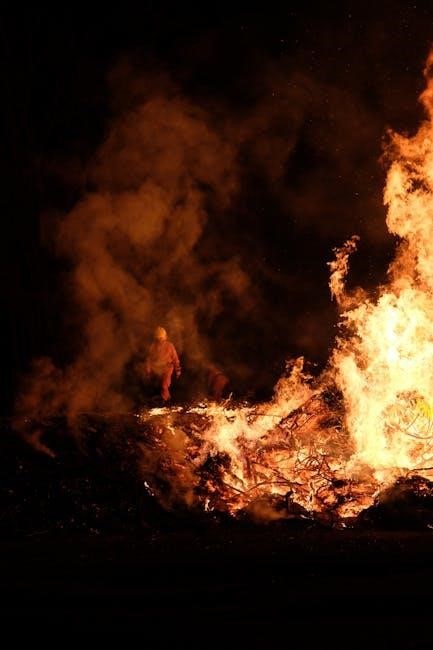
Furthermore, Lingering Embers persist for a longer duration, creating more hazardous ground areas․ The number of Flame Imps summoned also increases, adding to the overall raid pressure․ Successfully navigating this phase hinges on adapting to these heightened mechanics and maintaining unwavering focus throughout the encounter’s climax․
Managing Increased Damage & Mechanics
During the Ignite phase, as detailed by Wowhead, proactive mitigation is paramount․ Tanks must utilize all available defensive cooldowns to survive the amplified damage output from Larodar’s attacks․ Healers need to prioritize quick reactions and efficient mana usage to counteract the increased raid-wide damage․
DPS players should be mindful of their positioning to minimize exposure to Scorch tiles and Lingering Embers, while also maintaining consistent damage output․ Coordinated cooldown usage – defensive abilities, immunities, and healing potions – is crucial for weathering the storm․ Effective communication and swift decision-making are key to overcoming the intensified challenges of this final phase․
Dealing with Adds: Flame Imps
Flame Imps spawn periodically throughout the encounter, as outlined in Wowhead’s strategy guide․ These adds prioritize damaging ranged DPS and healers, requiring swift attention․ Assigning dedicated DPS to quickly eliminate them is essential to prevent overwhelming the raid․
Tanks should strategically position the Imps away from the main raid group to minimize collateral damage from their attacks․ Prioritize interrupting their casts whenever possible to reduce incoming damage․ Ignoring the Imps will quickly lead to raid wipes, so maintaining consistent add control is vital for success․ Coordinated focus fire and efficient burst damage are key to managing this constant threat․
Tanking Strategy for Larodar
Tanking Larodar demands constant awareness and skillful cooldown management, as detailed by Wowhead․ The primary tank will bear the brunt of Larodar’s melee attacks and needs to maintain threat consistently․ Off-tanking responsibilities include quickly picking up Ember of Maruuk carriers to prevent raid-wide damage․
Coordinate tank swaps during periods of high damage or when specific mechanics require repositioning․ Utilize defensive cooldowns proactively, anticipating incoming bursts of damage․ Proper positioning is crucial; avoid stacking to mitigate the impact of area-of-effect abilities․ Communication between tanks is paramount for seamless transitions and effective mitigation throughout the encounter․
Healer Considerations & Priorities
Healing Larodar requires a balanced approach, prioritizing raid-wide damage mitigation and focused healing on tanks, as outlined by Wowhead; Prepare for consistent, moderate raid damage throughout all phases, punctuated by intense spikes during Scorch and Ignite․
Prioritize dispelling Lingering Embers to prevent escalating damage․ Maintain awareness of players affected by Ember of Maruuk, providing preemptive healing as they approach the drop zone․ Coordinate cooldown usage to cover predictable damage windows․ Efficient mana management is vital; utilize mana-regenerating abilities and potions strategically to sustain healing output throughout the encounter’s duration․
DPS Strategy & Optimal Rotations
DPS on Larodar should focus on consistent damage output while maintaining awareness of encounter mechanics, as detailed by Wowhead․ Prioritize uptime on the boss, minimizing movement during Ember of Maruuk and Scorch phases․

Burst damage is crucial during the Ignite phase, capitalizing on Larodar’s increased vulnerability․ Optimize rotations for single-target damage, as add priority is relatively low․ Be mindful of positioning to avoid standing in Scorch tiles and Lingering Embers․ Coordinate cooldowns with the raid to maximize damage windows and contribute to swift boss takedowns․
Raid Composition Recommendations
A balanced raid composition is key to success against Larodar, as outlined by Wowhead․ A standard setup of 2 tanks, 2-3 healers, and 8-9 DPS is generally effective․ Prioritize healers with strong single-target healing and raid-wide cooldowns to manage the sustained damage throughout the encounter․
DPS should include a mix of ranged and melee, with an emphasis on mobility to navigate the Scorch tiles and Lingering Embers․ Classes with strong burst damage are valuable for the Ignite phase․ Consider bringing raid utility such as immunities and damage reduction to mitigate incoming damage and enhance overall survivability․ Flexibility in DPS assignments allows for adaptation to changing encounter dynamics․
Normal Difficulty Strategy Adjustments
For Normal difficulty, as detailed by Wowhead, the primary focus should be on consistent execution of mechanics and maintaining awareness of raid positioning․ Tanks can afford to be slightly less conservative with cooldown usage, but still need to manage Larodar’s damage effectively․ Healers should prioritize keeping the raid topped off, especially during the Ember of Maruuk and Ignite phases․
DPS should focus on maximizing uptime while avoiding avoidable damage․ Precise movement during Scorch and Lingering Embers is crucial, but less punishing than on Heroic․ Communication is key to coordinating cooldowns and ensuring smooth transitions between phases․ A relaxed approach to execution is viable, allowing for learning and adaptation․
Heroic Difficulty Strategy Adjustments
Wowhead highlights that Heroic Larodar demands significantly tighter execution and optimized cooldown usage․ Tanks must proactively manage defensive cooldowns to mitigate the increased damage output, particularly during Ignite․ Healers need precise timing and efficient mana management to handle the higher healing demands, utilizing raid-wide cooldowns strategically․
DPS must maximize damage output while flawlessly executing mechanics․ Scorch tile avoidance becomes critical, and Lingering Embers require swift and coordinated responses․ Precise positioning and communication are paramount for success․ Expect more frequent and punishing mechanics, requiring a higher level of raid awareness and adaptability․
Heroic Specific Mechanics & Changes
Wowhead details several key changes on Heroic difficulty․ Ember of Maruuk now has a reduced safe zone, demanding tighter player grouping and quicker reactions․ The duration of Scorch tiles is extended, increasing the challenge of avoidance․ Lingering Embers inflict a higher damage-over-time effect, necessitating immediate dispels or movement․
Furthermore, Larodar’s overall health and damage output are increased․ The frequency of add spawns, Flame Imps, is also elevated, requiring more consistent focus fire․ Expect a more punishing Ignite phase with increased damage and faster mechanic cycles․ Successful completion relies on flawless execution and optimized cooldown usage throughout the encounter․
Mythic Difficulty Strategy Considerations
Mythic Larodar demands near-perfect execution and optimized raid composition․ Expect significantly increased damage across all phases, requiring precise cooldown management and mitigation strategies․ The Ember of Maruuk safe zones are drastically smaller, necessitating incredibly tight positioning and coordinated movement․ Scorch tile patterns become more complex and frequent, demanding exceptional awareness․
Flame Imp spawns are relentless, requiring dedicated add control․ The Ignite phase is brutally unforgiving, with amplified damage and faster mechanic rotations․ Mastering individual responsibilities and maintaining constant communication are paramount․ Expect to refine strategies through repeated attempts, analyzing logs, and adapting to the encounter’s unforgiving nature․
Common Mistakes to Avoid
A frequent error is neglecting proper positioning during Ember of Maruuk, leading to unavoidable damage․ Failing to quickly identify and move to safe zones is detrimental․ Another common mistake is stacking during Scorch, resulting in multiple raid members taking excessive damage․ Ignoring Flame Imps allows them to overwhelm the raid, escalating the encounter’s difficulty․
Insufficient cooldown coordination during the Ignite phase often leads to wipes․ Underestimating the damage output of each phase is also a critical error․ Finally, a lack of clear communication and designated roles hinders the raid’s ability to react effectively to changing mechanics․ Avoiding these pitfalls significantly increases your chances of success․
Cooldown Usage & Timing
Defensive cooldowns are crucial during the Ignite phase, prioritizing survival against increased damage․ Coordinate raid-wide defensives like Pain Suppression and Shield Wall to mitigate burst damage․ Save mobility cooldowns for quickly navigating Scorch tiles and avoiding Ember of Maruuk impacts․
Offensive cooldowns should be strategically used during phases where Larodar is vulnerable, maximizing damage output․ Don’t overlap major damage cooldowns; stagger them for sustained pressure․ Healers should proactively use cooldowns to prepare for predictable damage spikes, anticipating transitions between phases․ Proper timing ensures raid viability and efficient progression․
Positioning for Optimal Performance
Strategic positioning is paramount throughout the encounter․ During Ember of Maruuk, spread out to minimize overlap and maximize reaction time to avoid the fiery impacts․ Maintain awareness of Scorch tile placement, ensuring clear pathways for movement and avoiding stacking;
Tanks should position Larodar to facilitate easy raid awareness and minimize cleave damage․ Ranged DPS should maintain maximum range when possible, while melee DPS must be mindful of Ignite phase mechanics and adjust accordingly․ Proper spacing and pre-planning movement routes are vital for consistent success and minimizing avoidable damage․
Loot Overview & Notable Items
Larodar, Keeper of the Flame, offers a variety of loot rewarding dedicated raiders․ Expect item level 483 gear on Normal difficulty, increasing to 486 on Heroic, and 489 on Mythic․ Notable items include several pieces with unique stat combinations, catering to diverse class specializations․
Several trinkets are particularly sought after, offering potent cooldowns or consistent passive benefits․ Weapon drops are also valuable, providing significant DPS increases․ Keep an eye out for gear with desirable secondary stats, optimizing your character’s performance․ Remember to utilize the Wowhead loot database for detailed item information and comparisons․
External Resources & Further Reading
For a deeper understanding of the Larodar encounter, several external resources are invaluable․ Wowhead (https://www․wowhead․com/guide/raids/amirdrassil-the-dreams-hope/larodar-keeper-of-flame-strategy) provides a comprehensive strategy guide, complete with diagrams and videos․
Raidbots (https://www․raidbots;com/) is excellent for simulating optimal rotations and gear choices․ YouTube channels like Hazelnuttygames and others offer visual guides and raid perspectives․ Don’t forget to explore class-specific discords for tailored advice․ Utilizing these resources will significantly enhance your preparation and performance against Larodar, Keeper of the Flame, maximizing your raid’s potential for success․
Leave a Reply