cutting board care instructions
Cutting boards are essential kitchen tools, requiring proper upkeep to maintain hygiene and longevity. Wood and plastic boards each demand specific cleaning and care routines.
Why Proper Care Matters
Maintaining cutting boards isn’t merely about aesthetics; it’s fundamentally linked to food safety and the board’s lifespan. Neglecting proper care can lead to bacterial growth within the material’s surface, potentially causing cross-contamination and illness. Scratches and cracks, often resulting from improper use or cleaning, harbor these bacteria, making thorough sanitation difficult.
Furthermore, appropriate care—like regular oiling for wood—prevents warping, cracking, and overall deterioration. A well-maintained cutting board remains a safe and reliable surface for food preparation for years, saving you money and reducing waste. Investing time in care ensures a hygienic kitchen and extends the usability of this crucial culinary tool.
Types of Cutting Boards: A Quick Overview
Cutting boards broadly fall into three categories: wood, plastic, and increasingly, newer materials like TPU and composites. Wood boards, including maple, bamboo, and walnut, offer a naturally antimicrobial surface but require regular oiling to prevent drying and cracking. Plastic boards are non-porous, often dishwasher-safe, and resist staining, though they can show scratches easily.
TPU boards combine flexibility and durability, while composite boards aim to offer the benefits of both wood and plastic. Each material presents unique care requirements; wood needs hydration, plastic benefits from occasional deep cleaning, and newer materials require specific manufacturer guidelines. Understanding these differences is key to proper maintenance.
Wood Cutting Board Care
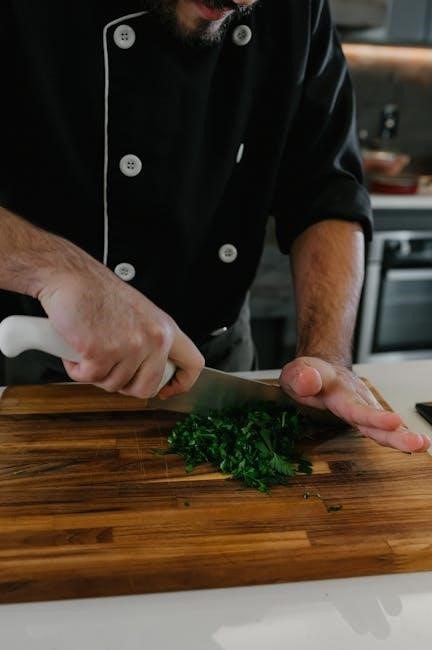
Wood cutting boards require consistent oiling to prevent cracking and warping, alongside gentle cleaning to preserve their natural antimicrobial properties and beauty.
Understanding Wood Types (Maple, Bamboo, Walnut)
Maple is a popular choice, known for its durability and relatively neutral flavor profile, making it ideal for all-purpose cutting. Bamboo, while technically a grass, offers a sustainable and hard surface, though it can dull knives faster. It’s also prone to drying out.
Walnut provides a beautiful, dark aesthetic and is moderately hard, but requires more frequent oiling to prevent cracking. Each wood type responds differently to care; bamboo needs more hydration, while maple is more forgiving. Understanding these nuances ensures your board lasts, resisting warping and maintaining its hygienic qualities. Proper oiling tailored to the wood type is crucial for longevity and preventing bacterial growth.
Oiling Your Wood Cutting Board
Oiling is paramount for wood cutting board preservation, replenishing lost moisture and preventing cracking. Wood naturally dries, leading to warping and potential bacterial harborages within fissures. Regular oiling creates a barrier against water absorption, keeping the board sanitary and structurally sound.
Apply a generous coat of food-grade oil, working it into the grain with a clean cloth. Allow it to penetrate for several hours, or overnight, then wipe off any excess. Consistent oiling – monthly for frequently used boards, less often for occasional use – maintains optimal condition. This simple step dramatically extends the board’s lifespan and ensures food safety.
Choosing the Right Oil (Mineral Oil, Beeswax)
Food-grade mineral oil is the gold standard for wood cutting board conditioning, being odorless, tasteless, and non-toxic. It penetrates deeply, providing excellent hydration without going rancid. Alternatively, beeswax – often combined with mineral oil – offers a protective layer, enhancing water resistance and creating a smoother surface.
Avoid vegetable oils like olive or canola oil, as they can become sticky and develop unpleasant odors. Tung oil and linseed oil, while sometimes used, require careful application and curing. Prioritize food-safe options to prevent contamination. A blend of mineral oil and beeswax provides both nourishment and a protective finish, ideal for frequent use.
How Often to Oil
Oiling frequency depends on usage and board dryness. A newly purchased board needs generous initial oiling – applying liberally and letting it absorb overnight, repeating for several days. For regularly used boards, oiling monthly is a good starting point.
Observe your board; if water beads up instead of soaking in, it’s adequately oiled. Dry cracks or a dull appearance signal the need for re-oiling. Boards exposed to frequent washing or harsh conditions require more frequent attention. Deep oiling a few times a year, combined with monthly maintenance, ensures lasting protection and prevents cracking.
Cleaning Wood Cutting Boards
Wood cutting boards require gentle cleaning to preserve their integrity. After each use, wash with warm, soapy water using a mild dish soap. Avoid prolonged soaking, as wood absorbs moisture. Rinse thoroughly and immediately dry with a clean towel. A diluted vinegar solution (1 part vinegar to 5 parts water) offers natural disinfection.
Regular cleaning prevents bacteria buildup and odor absorption. For stubborn residue, scrape gently with a plastic scraper. Remember, wood is porous, so prompt cleaning is crucial. Avoid abrasive cleaners that can damage the surface and compromise the board’s protective finish.
Safe Cleaning Solutions (Soap & Water, Vinegar)
For wood cutting boards, warm water and mild dish soap are excellent daily cleaners. Ensure thorough rinsing to remove all soap residue, as it can affect food flavors. A solution of white vinegar and water (a 1:5 ratio) provides a natural disinfectant, effectively eliminating bacteria without harsh chemicals.
Vinegar’s acidity helps neutralize odors and sanitize the surface. Apply the solution, let it sit briefly, then rinse and dry completely. Avoid using strong detergents or bleach, as these can dry out the wood and potentially leave harmful residues. Gentle cleaning preserves the board’s natural properties.
Avoiding Harsh Chemicals
Harsh chemicals like bleach, ammonia, and abrasive cleaners are detrimental to both wood and plastic cutting boards. Bleach can discolor wood, leaving lingering odors and potentially compromising its safety for food preparation. Abrasive cleaners cause scratches, creating microscopic grooves where bacteria can thrive.
These chemicals can also degrade plastic, making it porous and prone to harboring contaminants. Opt for gentle cleaning methods instead – warm soapy water for daily cleaning and vinegar solutions for disinfection. Protecting your cutting board’s surface ensures its longevity and maintains a hygienic food preparation area.
Dealing with Stains and Odors on Wood
Wood cutting boards readily absorb flavors and can stain from colorful foods. To combat this, a lemon juice and salt scrub is remarkably effective. Sprinkle coarse salt onto the board, then rub with half a lemon, working in circular motions. The lemon’s acidity and salt’s abrasiveness lift stains and neutralize odors.
Alternatively, a baking soda paste (baking soda mixed with water) can be applied, left to sit for a few minutes, and then scrubbed gently. Rinse thoroughly with warm water. Regular oiling also helps prevent staining by creating a protective barrier. Prompt attention to stains and odors maintains a fresh, hygienic surface.
Lemon Juice and Salt Scrub
This natural cleaning method is ideal for removing stains and odors from wood cutting boards. Begin by generously sprinkling coarse salt across the board’s surface. Next, take a halved lemon and use the cut side to scrub the salt into the wood, applying firm pressure and working in circular motions.
The lemon juice’s acidity acts as a natural disinfectant and deodorizer, while the salt provides gentle abrasion to lift stains. Continue scrubbing for several minutes, focusing on problem areas. Finally, rinse the board thoroughly with warm water and wipe clean. This method revitalizes wood and leaves it smelling fresh.
Baking Soda Paste
For stubborn odors and light stains on wood cutting boards, a baking soda paste offers a gentle yet effective solution. Create a paste by mixing baking soda with a small amount of water until you achieve a spreadable consistency. Apply the paste liberally to the affected areas of the board.
Allow the paste to sit for at least 15-20 minutes, enabling the baking soda to absorb odors and lift stains. Gently scrub the paste into the wood using a soft cloth or sponge. Rinse thoroughly with warm water, ensuring all traces of baking soda are removed. This method is safe and effective for regular maintenance.
Preventing Warping and Cracking
Wood cutting boards are susceptible to warping and cracking if not stored correctly. Avoid prolonged exposure to moisture and extreme temperature changes, which can cause the wood to expand and contract unevenly. Never place a wet cutting board directly on a countertop; instead, dry it immediately after washing.
Proper storage involves allowing the board to air dry completely, ideally standing on its side to promote even airflow. Avoid storing boards flat on top of each other, as this can restrict airflow and trap moisture. Consistent oiling also helps maintain the wood’s integrity, preventing it from drying out and becoming brittle.
Proper Storage Techniques
Effective storage is crucial for preserving your cutting board’s quality. After thorough cleaning and drying, store wood boards on their sides, allowing air to circulate and preventing moisture buildup. Avoid stacking them flat, which restricts airflow and can lead to warping. A dedicated rack or slotted organizer is ideal.
Plastic boards can be stacked, but ensure they are completely dry to prevent mildew. Avoid storing cutting boards near heat sources like ovens or dishwashers, as excessive heat can cause warping or melting, especially with plastic. Regularly inspect boards for any signs of damage during storage and address them promptly.
Plastic Cutting Board Care
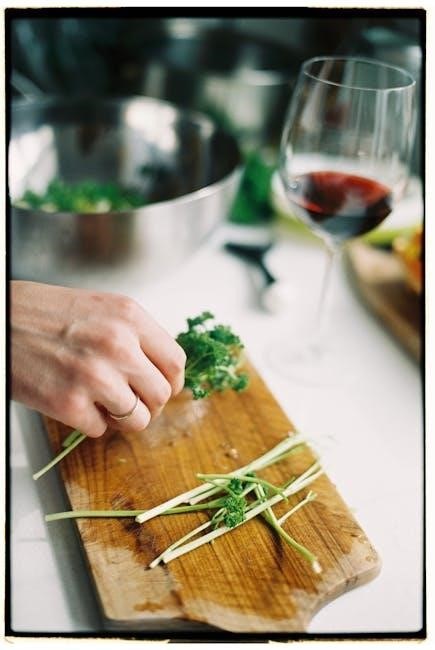
Plastic cutting boards offer durability and ease of cleaning, but are prone to scratches. Proper disinfection and mindful use extend their lifespan significantly.
Plastic Types and Their Durability
Plastic cutting boards aren’t created equal; different types offer varying levels of durability. High-density polyethylene (HDPE) is a popular, food-safe choice known for its resistance to knife marks and staining, making it a long-lasting option. Polypropylene is another common plastic, lighter and less expensive than HDPE, but also less resistant to cuts.
Lower-quality plastics can harbor bacteria within deep grooves created by knives, so investing in a thicker, more durable board is worthwhile. While plastic boards don’t absorb liquids like wood, they can become deeply scratched over time, providing a haven for microorganisms. Regularly assessing the board’s condition and replacing it when heavily scarred is crucial for food safety.
Cleaning Plastic Cutting Boards
Cleaning plastic cutting boards is generally simpler than wood, but still requires diligence. Most plastic boards are dishwasher safe, offering a convenient cleaning option; however, repeated dishwasher cycles can fade the color and potentially accelerate wear, so handwashing is often preferred. When handwashing, use hot, soapy water and a non-abrasive sponge or cloth.
For thorough disinfection, a diluted bleach solution (1 tablespoon bleach per gallon of water) can be used, followed by a rinse with potable water. Ensure the board is completely dry before storing. Avoid harsh abrasive cleaners, as they can create microscopic scratches that harbor bacteria. Regular, consistent cleaning is key to maintaining a hygienic surface.
Dishwasher Safe? (Considerations)
While many plastic cutting boards are labeled dishwasher safe, frequent dishwasher use isn’t always ideal. The high heat can warp some boards over time, and harsh detergents can cause fading or dulling of the surface. Repeated exposure to the intense heat cycles may also contribute to microscopic scratches, creating potential breeding grounds for bacteria.
If you choose to use the dishwasher, opt for the top rack to minimize heat exposure. For boards with wooden handles or edges, handwashing is strongly recommended to protect those components. Ultimately, handwashing with hot, soapy water is gentler and often extends the board’s lifespan.
Disinfecting Plastic Boards
Plastic cutting boards, unlike their wooden counterparts, are non-porous, making them easier to disinfect effectively. After washing with hot, soapy water, a diluted bleach solution (1 tablespoon bleach per gallon of water) can be used to sanitize the surface. Apply the solution, let it sit for a few minutes, and then rinse thoroughly with clean water.
Alternatively, a commercial kitchen disinfectant can be employed, following the manufacturer’s instructions carefully. Ensure complete rinsing to remove any chemical residue. Regular disinfection is crucial, especially after handling raw meat, poultry, or seafood, to prevent cross-contamination and maintain food safety.
Dealing with Scratches on Plastic
Plastic cutting boards inevitably accumulate scratches with use, but minor scratches generally don’t pose a significant hygiene risk. However, deep scratches can harbor bacteria, making thorough cleaning more difficult. For light scratches, continued regular cleaning and sanitizing are usually sufficient.
Deeper scratches may warrant replacement, as they become breeding grounds for microorganisms. While some suggest attempting to lightly sand plastic boards, this is generally not recommended as it can worsen the problem and create more surfaces for bacteria to cling to. Prioritizing gentle knife techniques and using appropriate boards for different tasks can minimize scratching.
Replacing Worn-Out Plastic Boards
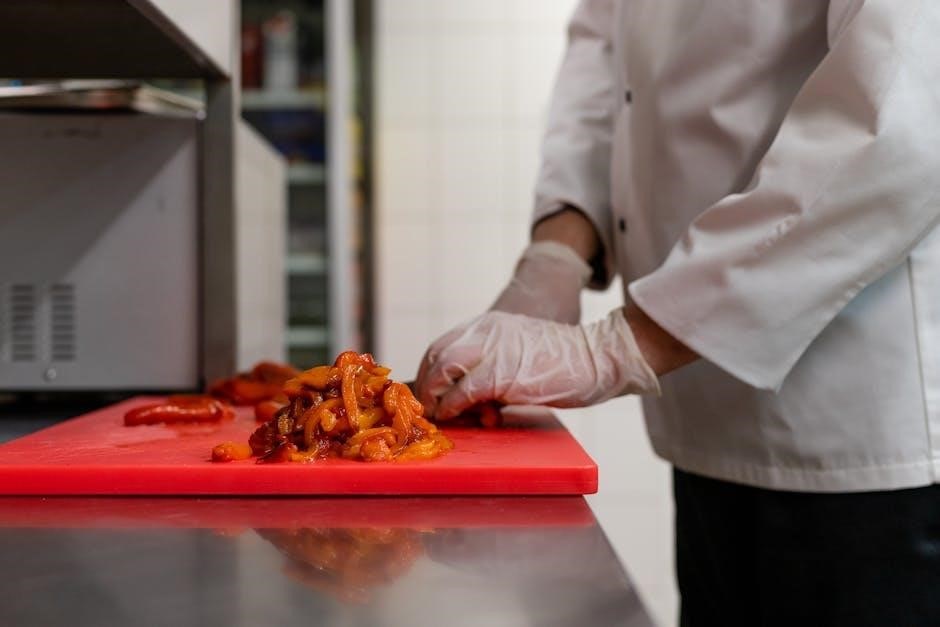
Plastic cutting boards, unlike wood, don’t benefit from re-surfacing; When a plastic board becomes excessively scratched, deeply gouged, or permanently stained, it’s time for replacement. Extensive scratching creates havens for bacteria, even with diligent cleaning, compromising food safety.
Discoloration or warping are also indicators of a board’s end-of-life. Don’t attempt repairs; the cost and effort aren’t worthwhile. Regularly inspect your plastic boards and replace them proactively to maintain a hygienic kitchen environment. Consider the frequency of use when determining replacement intervals – heavily used boards will wear out faster.
Specialty Cutting Board Materials
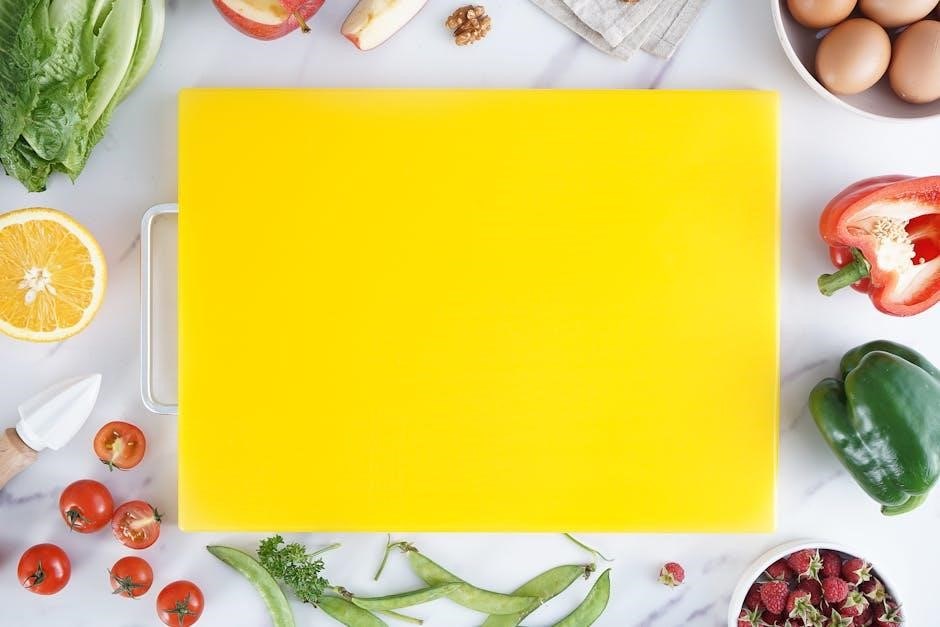
TPU and composite cutting boards offer unique benefits, demanding specific care. Understanding their composition is key to proper cleaning and ensuring lasting performance.
TPU Cutting Boards: Care and Maintenance
TPU (Thermoplastic Polyurethane) cutting boards represent a modern alternative, offering a blend of flexibility and durability. These boards are generally dishwasher safe, simplifying cleaning significantly, though hand washing with mild soap is also effective. Unlike wood, TPU doesn’t require oiling, eliminating that maintenance step. However, TPU is susceptible to deep scratches from knives over time, which can harbor bacteria.
Regular cleaning with hot, soapy water and occasional sanitizing with a diluted bleach solution are crucial. Avoid abrasive cleaners that can damage the surface. While highly durable, prolonged exposure to extreme heat should be avoided. Inspect TPU boards regularly for significant cuts or gouges; if present, replacement is recommended to prevent bacterial growth and maintain food safety.
Composite Cutting Boards: Cleaning and Longevity
Composite cutting boards, often made from wood fibers and resin, offer a balance of durability and hygiene; These boards are generally dishwasher safe, providing a convenient cleaning option, but hand washing with warm, soapy water is also recommended to preserve their quality. Unlike solid wood, they don’t require regular oiling, simplifying maintenance.
However, composite boards can still harbor bacteria within surface scratches. Regular sanitizing with a diluted bleach solution is beneficial. Avoid harsh abrasive cleaners that could damage the composite material. Inspect boards periodically for signs of delamination or significant wear; while durable, they aren’t indestructible and should be replaced when compromised to ensure food safety.
General Cutting Board Best Practices
Always use separate cutting boards for raw meats and fresh produce to prevent cross-contamination. Proper knife skills also minimize board damage and maintain hygiene.
Separate Boards for Raw Meat and Produce
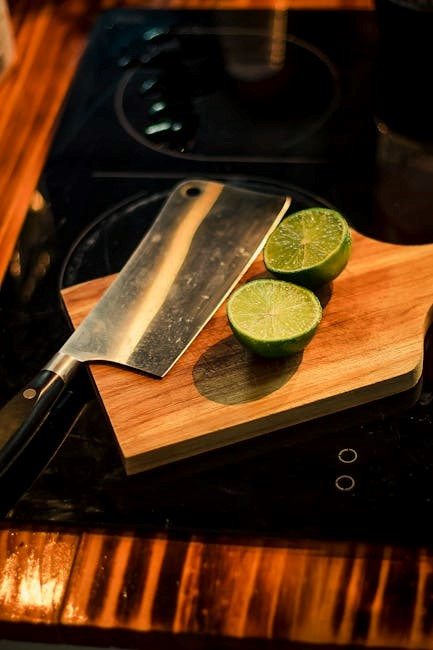
Maintaining distinct cutting boards for raw meats, poultry, and seafood versus fresh fruits, vegetables, and cooked foods is paramount for kitchen safety. This simple practice dramatically reduces the risk of cross-contamination, preventing the spread of harmful bacteria like Salmonella, E. coli, and Campylobacter. Designate specific colors or materials – for example, a red board for raw meats and a green board for produce – to easily differentiate between them.
Even with diligent cleaning, microscopic traces of bacteria can linger in knife marks. Utilizing separate boards eliminates this potential hazard. Remember to also use separate knives for raw and cooked items, further minimizing the chance of transferring pathogens. Prioritizing this separation is a cornerstone of food safety in any kitchen.
Proper Knife Techniques to Minimize Damage
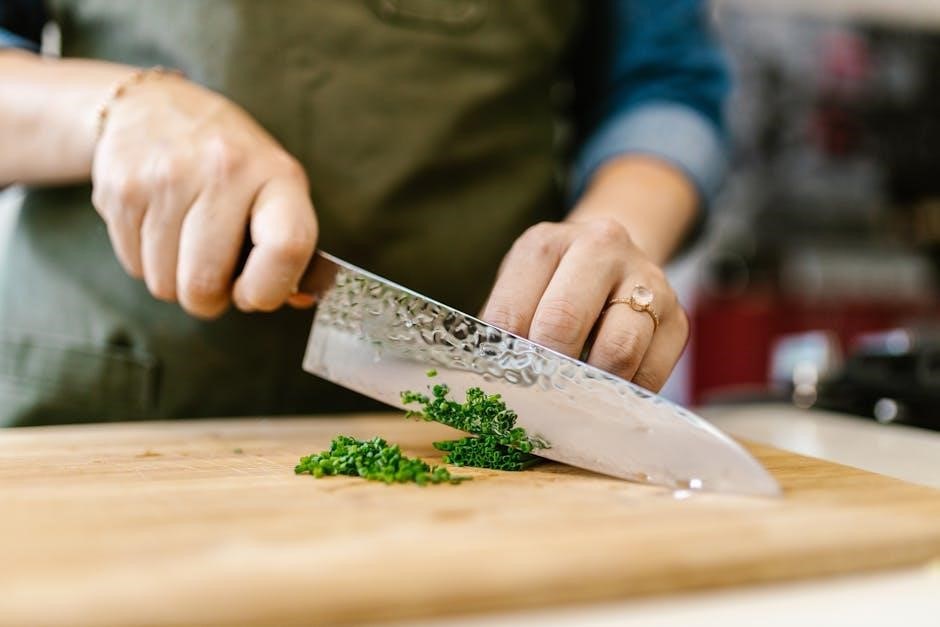
Employing correct knife skills significantly extends the life of your cutting boards, regardless of the material. Avoid chopping directly down with excessive force; instead, utilize a rocking motion, keeping the tip of the knife in contact with the board. This distributes the impact and prevents deep gouges. Never use your cutting board as a chopping block for bones or frozen foods, as this will inevitably cause damage.
Sharp knives are safer and kinder to boards than dull ones, requiring less pressure. Regularly honing and sharpening your knives will reduce the strain on the cutting surface. Always cut on the board, not into it, to preserve its integrity and prevent premature wear and tear.
Sanitizing Cutting Boards After Each Use
Thorough sanitization after each use is paramount to prevent cross-contamination and maintain a hygienic kitchen. Immediately after use, wash the cutting board with hot, soapy water. For wood boards, a quick rinse isn’t enough; ensure the surface is fully wetted to prevent warping.
Following washing, a sanitizing solution is crucial. A diluted vinegar solution (1 part vinegar to 5 parts water) works effectively. For plastic boards, a diluted bleach solution (1 teaspoon bleach per gallon of water) can be used, followed by a thorough rinse. Always allow the board to air dry completely before storing, preventing bacterial growth.
Reviving Old Cutting Boards
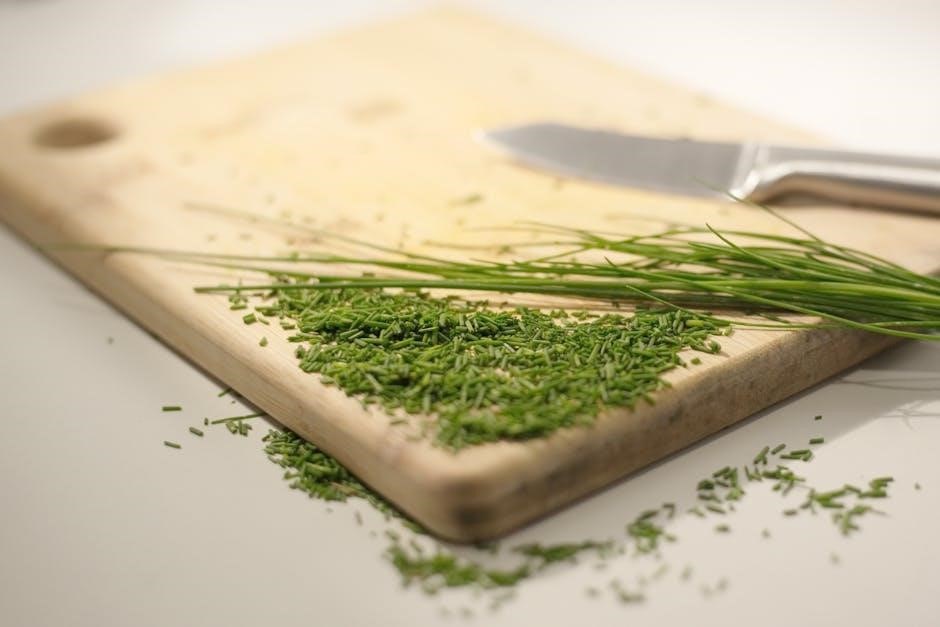
Old cutting boards can be restored! Sanding wood removes scratches, while deep cleaning plastic eliminates embedded grime, extending their useful life significantly.
Sanding and Re-Oiling Wood Boards
Reviving a worn wood cutting board often begins with sanding. Start with a coarser grit sandpaper (80-120) to remove deep scratches and imperfections, working with the grain. Progress to finer grits (150-220) for a smooth surface. Thoroughly remove all sanding dust with a clean, damp cloth – ensuring no residue remains.
Once sanded, re-oiling is crucial. Apply a generous coat of food-grade mineral oil or a beeswax-mineral oil blend. Allow the oil to penetrate the wood for several hours, or even overnight. Wipe away any excess oil. This process replenishes the wood’s natural oils, preventing drying, cracking, and warping, ultimately restoring its protective barrier and extending its lifespan. Repeat oiling periodically for continued maintenance.
Deep Cleaning Plastic Boards
Plastic cutting boards, while durable, can harbor bacteria within scratches. For a deep clean, begin with a hot, soapy water wash, scrubbing thoroughly with a non-abrasive sponge. A diluted bleach solution (1 tablespoon bleach per gallon of water) can be used for disinfection, but rinse meticulously afterward to remove all traces of bleach.
To address lingering odors or stains, create a paste of baking soda and water, applying it to the affected areas and letting it sit for 15-20 minutes before rinsing. Avoid abrasive cleaners that can worsen scratches. Regularly inspect for deep gouges; if present, consider replacing the board, as they can become breeding grounds for bacteria despite cleaning efforts.
Cutting Board Safety Considerations
Prioritize safety by regularly inspecting boards for excessive wear and tear, and always prevent cross-contamination by using separate boards for meats and produce.
Recognizing When to Replace a Cutting Board
Determining when to replace a cutting board is crucial for food safety. Deep, irreparable grooves harbor bacteria, even with diligent cleaning. For wood boards, excessive warping or cracking indicates it’s time for a replacement, as these imperfections become breeding grounds.
Plastic boards exhibiting significant, deep scratches are also candidates for disposal; these scratches are nearly impossible to sanitize effectively. If a board develops a persistent odor despite cleaning, or if it feels structurally compromised, err on the side of caution. Regularly assess your cutting boards – a worn-out board poses a health risk, and a new one is a small price to pay for peace of mind and safe food preparation.
Avoiding Cross-Contamination
Preventing cross-contamination is paramount in food safety, and cutting boards play a vital role. Always use separate cutting boards for raw meats, poultry, and seafood versus fresh produce and cooked foods; Clearly label or color-code boards to easily distinguish their designated uses.
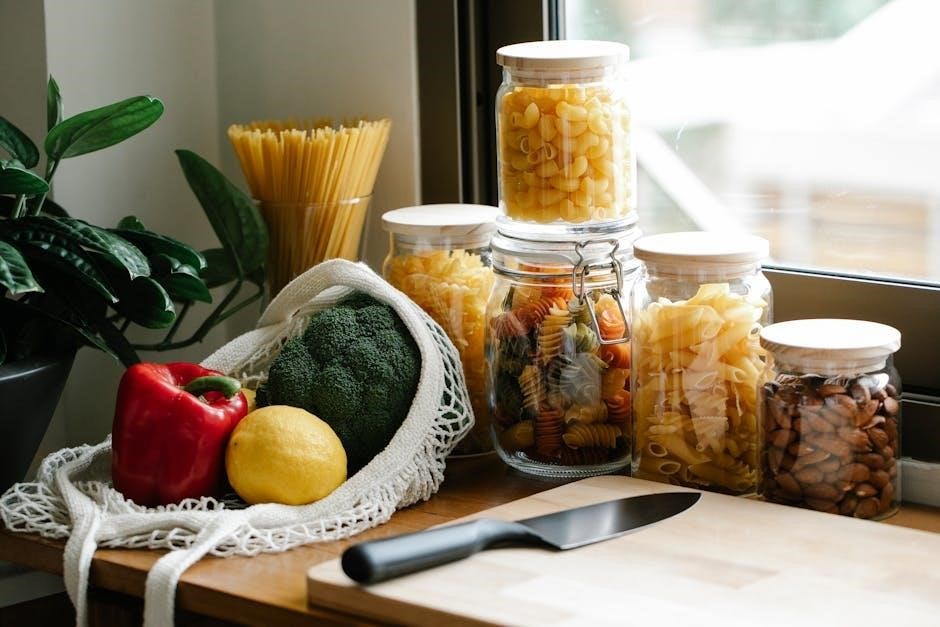
After cutting raw meat, thoroughly wash the board with hot, soapy water and sanitize it before using it for other ingredients. Never reuse a board for produce after it has contacted raw protein without proper cleaning. Consider having multiple boards to minimize risk, ensuring a hygienic food preparation environment and protecting your family’s health.
Leave a Reply