blomberg washing machine user manual
Welcome! This manual guides you through utilizing your new Blomberg washing machine‚ offering insights into its features and ensuring optimal performance for years to come.
Blomberg delivers comprehensive business and market coverage‚ mirroring the detailed support found within this user manual for a seamless experience.
This guide is designed to help you maximize your product’s potential‚ providing essential information for installation‚ operation‚ and maintenance of your appliance.
Unpacking and Installation
Carefully unpack your Blomberg washing machine‚ ensuring all packaging materials – including transit bolts – are removed from the drum and rear of the appliance. These bolts must be removed before operation to prevent damage! Retain them for future transport.
Position the machine on a firm‚ level surface. Adjust the leveling feet to eliminate any wobble; a spirit level is recommended. Ensure adequate ventilation around the machine – at least 2 inches on each side.
Connect the water inlet hose(s) to the cold and/or hot water supply (as per your model’s specifications)‚ ensuring a tight‚ leak-proof connection. Connect the drain hose securely to a standpipe or sink drain‚ avoiding kinks or obstructions.
Verify the electrical supply matches the machine’s requirements (see ‘Technical Specifications’). Plug the machine into a grounded outlet. Bloomberg’s comprehensive data analysis parallels the precision needed for correct installation‚ guaranteeing optimal functionality.
Before first use‚ run an empty wash cycle to flush the system.
Safety Precautions
Important: To ensure safe operation‚ always disconnect the washing machine from the power supply before cleaning or performing maintenance. Never attempt to repair the appliance yourself; contact a qualified technician.
Do not wash items that have been cleaned with flammable liquids. Keep children and pets away from the washing machine during operation. The drum can become hot during cycles.
Avoid overloading the machine‚ as this can affect performance and potentially cause damage. Only use detergents specifically designed for washing machines‚ following the manufacturer’s instructions.
Inspect the water inlet and drain hoses regularly for cracks or leaks. Replace them immediately if damaged. Like Bloomberg’s commitment to accurate reporting‚ prioritize safety with diligent checks.
Never open the door during a wash cycle. Be cautious when opening the door after a cycle‚ as steam may be present. Ensure proper grounding to prevent electrical shock.
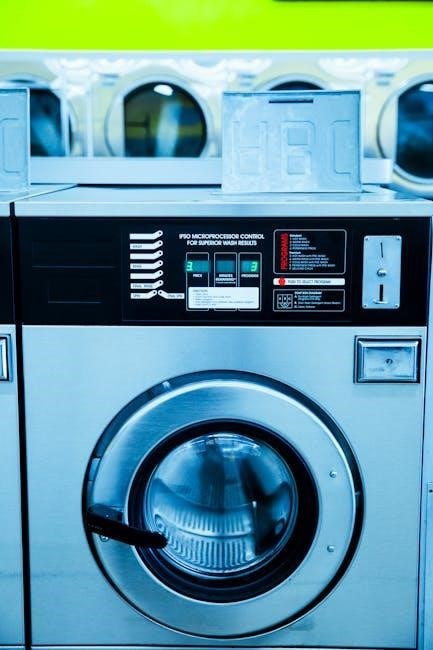
Understanding Your Washing Machine
Explore the features! This section details the components of your Blomberg washing machine‚ mirroring Bloomberg’s in-depth data analysis‚ for optimal use.
Control Panel Overview
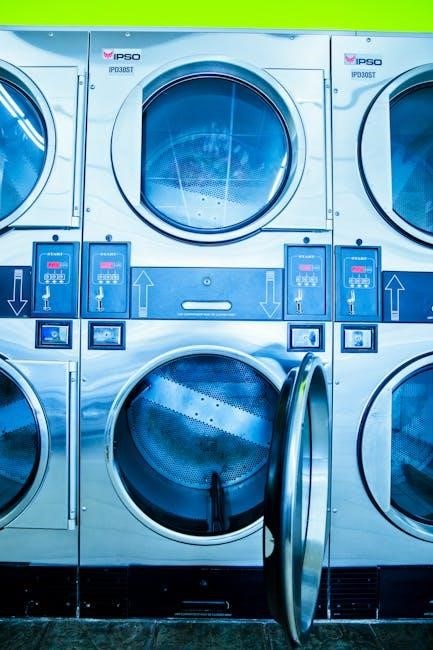
Navigating the Controls: The Blomberg washing machine’s control panel is intuitively designed for ease of use‚ offering a streamlined experience similar to Bloomberg’s user-friendly data interfaces. At the center‚ you’ll find the program selector dial‚ allowing you to choose from a variety of wash cycles tailored to different fabric types and soil levels.
Adjacent to the dial are the function buttons‚ providing access to special features like Eco Mode‚ Quick Wash‚ and pre-wash options. These buttons are clearly labeled with corresponding symbols for quick identification. The display screen‚ a crucial element‚ showcases the selected program‚ remaining time‚ temperature‚ and spin speed settings.
Additional buttons control temperature adjustments‚ spin speed modifications‚ and delay start functionality. Understanding these controls is key to unlocking the full potential of your Blomberg washing machine‚ ensuring efficient and effective laundry care‚ much like understanding market trends with Bloomberg’s insights.
Display Symbols and Indicators
Decoding the Signals: The Blomberg washing machine’s display utilizes a series of symbols and indicators to communicate crucial information‚ functioning similarly to the real-time data streams provided by Bloomberg. A washing tub icon indicates the selected wash program‚ while a temperature symbol displays the chosen water temperature in degrees Celsius.
Spin speed is represented by a spiral symbol‚ with the number indicating revolutions per minute (RPM). Indicators for options like ‘Eco Mode’ and ‘Quick Wash’ illuminate when activated. A padlock symbol signifies the child lock function is engaged‚ preventing accidental program changes.
Error codes‚ displayed as alphanumeric combinations‚ signal potential issues requiring attention – consult the troubleshooting section for details. A progress bar visually represents the remaining wash cycle time. Familiarizing yourself with these symbols ensures you can easily monitor and control your washing machine’s operation‚ mirroring the clarity of information offered by Bloomberg’s market analysis.
Detergent Drawer and Compartments
Optimizing Your Wash: The Blomberg washing machine’s detergent drawer is intelligently designed with separate compartments for pre-wash detergent‚ main wash detergent‚ and fabric softener. These are typically marked with Roman numerals ‘I’‚ ‘II’‚ and a flower symbol respectively‚ ensuring accurate dispensing – much like Bloomberg’s precise data delivery.
Compartment ‘I’ is for pre-wash detergent‚ used for heavily soiled items. Compartment ‘II’ accepts the main wash detergent‚ suitable for everyday laundry. The flower-shaped compartment is dedicated to fabric softener‚ adding fragrance and softness to your clothes.
Always use the recommended amount of detergent‚ following the manufacturer’s instructions and adjusting based on load size and soil level. Avoid overfilling‚ as this can lead to residue buildup. Regularly cleaning the detergent drawer prevents blockages and ensures optimal performance‚ mirroring the importance of clean data in financial analysis.
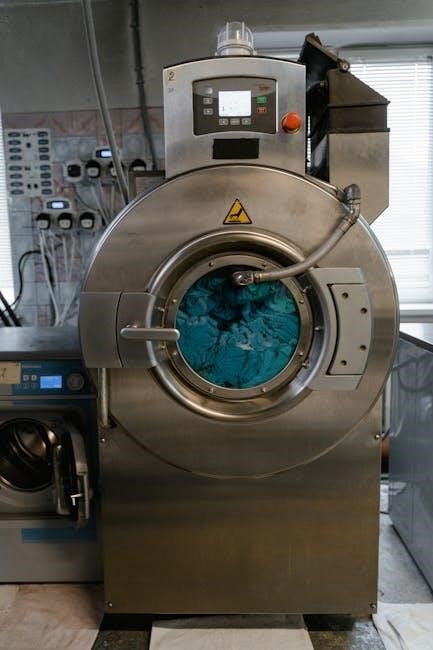
Using Your Washing Machine
Begin your laundry experience! This section details how to efficiently load clothes‚ select appropriate wash programs‚ and customize settings for optimal cleaning results.
Loading the Laundry
Preparing your laundry is key for optimal washing results. Before loading‚ always empty all pockets to prevent damage to both your clothes and the washing machine – items like coins‚ keys‚ and pens can cause significant issues.
Separate your laundry according to fabric type‚ color‚ and soil level. Wash delicate items separately‚ and consider using a laundry bag for smaller or more fragile garments to protect them during the wash cycle.
Avoid overloading the drum; consult the machine’s capacity guidelines (found in the technical specifications) to ensure sufficient space for proper agitation and rinsing. Overloading can lead to ineffective cleaning and potential damage to the appliance.
Distribute the laundry evenly around the drum’s center to maintain balance during the spin cycle. An unbalanced load can cause excessive vibration and noise‚ potentially affecting the machine’s performance and lifespan.
Finally‚ ensure that items are not tangled or knotted‚ as this can hinder the cleaning process and potentially cause damage to the fabrics.
Selecting Wash Programs
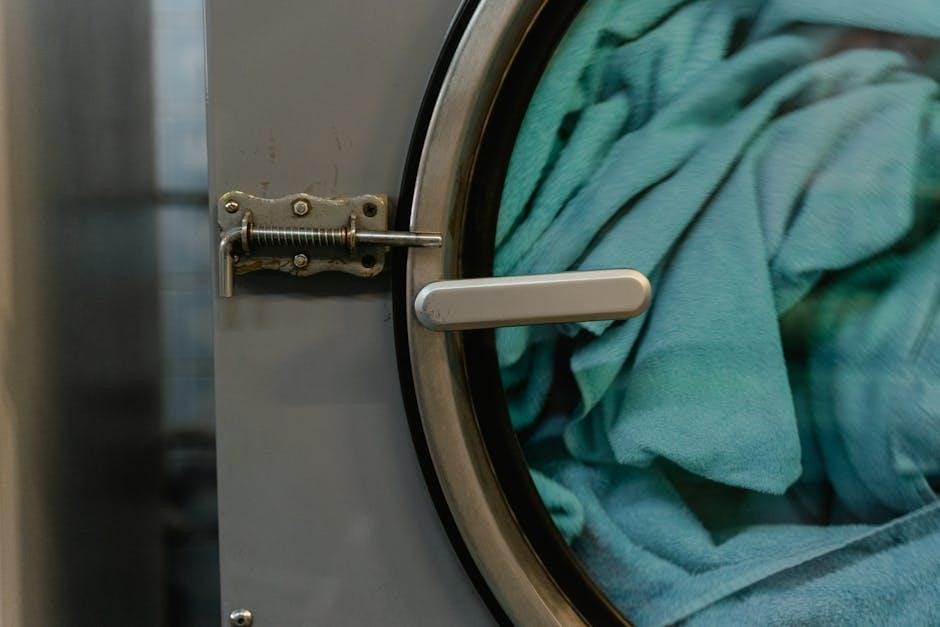
Your Blomberg washing machine offers a variety of wash programs designed to cater to different fabric types and cleaning needs. Familiarize yourself with each program to ensure optimal results and garment care.
Common programs include ‘Cotton’ for everyday cotton items‚ ‘Delicates’ for lingerie and silk‚ ‘Synthetics’ for polyester and nylon‚ and ‘Wool’ for woollen garments – always use a wool-specific detergent with this cycle.
An ‘Eco’ program is available for energy-efficient washing‚ typically using lower temperatures and longer wash times. A ‘Quick Wash’ option provides a faster cycle for lightly soiled items‚ ideal when time is limited.
Refer to the control panel overview for detailed descriptions of each program and its recommended settings. Bloomberg’s comprehensive data approach mirrors the detailed program options available.
Select the program that best suits your laundry load‚ considering fabric type‚ color‚ and soil level for the most effective and gentle cleaning experience.
Temperature and Spin Speed Settings
Adjusting the wash temperature and spin speed is crucial for optimal cleaning and fabric care. Your Blomberg washing machine allows for precise control over these settings.
Lower temperatures (30°C or Cold) are ideal for delicate fabrics and preventing color fading‚ while higher temperatures (60°C or 90°C) are suitable for heavily soiled items and hygiene-critical washes. Always check garment care labels.
Spin speed determines the amount of water extracted from the laundry. Lower spin speeds are gentler on delicate fabrics‚ reducing wrinkles‚ while higher speeds result in drier clothes and shorter drying times.
Bloomberg’s market analysis parallels the precision offered by these settings – tailoring to specific needs. Be mindful that very high spin speeds can cause excessive wrinkling in some fabrics.
Experiment with different combinations to find the settings that best suit your laundry and preferences‚ balancing cleaning effectiveness with fabric protection.
Using Special Features (e.g.‚ Eco Mode‚ Quick Wash)
Your Blomberg washing machine offers several special features designed to enhance convenience and efficiency. These programs cater to specific laundry needs‚ optimizing performance and resource consumption.
Eco Mode minimizes water and energy usage‚ providing an environmentally friendly wash cycle – aligning with Bloomberg’s focus on sustainable business practices. It’s perfect for lightly soiled laundry;
Quick Wash delivers a fast wash cycle for small loads or lightly soiled items‚ saving you valuable time. This is ideal when you need clean clothes in a hurry.
Other features may include options for pre-washing‚ extra rinsing‚ or wrinkle prevention. Consult the control panel display for available programs.
Utilizing these features allows you to tailor each wash to your specific requirements‚ ensuring optimal results while conserving resources and time.
Maintenance and Cleaning
Regular maintenance ensures longevity and peak performance. Cleaning the detergent drawer‚ drum‚ filter‚ and descaling are crucial for optimal operation and efficiency.
Cleaning the Detergent Drawer
Maintaining a clean detergent drawer is vital for optimal washing machine performance. Over time‚ detergent and fabric softener residue can build up‚ leading to blockages and reduced cleaning effectiveness. To clean‚ first‚ locate the drawer – typically found on the front of the machine.
Removal: Most Blomberg washing machine drawers can be removed by pressing a release button or lever‚ often located inside the drawer compartment. Gently pull the drawer outwards once released.
Cleaning Process: Rinse the drawer thoroughly under warm running water. Use a soft brush or cloth to remove any stubborn residue from all compartments – pre-wash‚ main wash‚ and fabric softener. For heavily soiled areas‚ soak the drawer in warm water with a mild detergent for approximately 30 minutes before scrubbing.
Rinsing and Reinstallation: Ensure all traces of detergent are removed before drying the drawer completely. Once dry‚ carefully slide the drawer back into its compartment until it clicks securely into place. Regular cleaning‚ ideally monthly‚ will prevent build-up and maintain your machine’s efficiency.
Cleaning the Drum
Regularly cleaning the washing machine drum is crucial for hygiene and performance. Residue from detergents‚ fabric softeners‚ and dirt can accumulate‚ leading to unpleasant odors and potentially affecting wash results. Blomberg recommends a drum clean at least every other month‚ or more frequently with heavy use.
Cleaning Cycle: Utilize the dedicated “Drum Clean” cycle‚ if your model features one. This cycle uses higher temperatures and increased agitation to effectively remove build-up. If a dedicated cycle isn’t available‚ run an empty wash at 90°C (194°F) with a washing machine cleaner.
Manual Cleaning: For persistent residue‚ manually wipe the drum with a damp cloth after each wash. Pay attention to the rubber door seal‚ carefully cleaning any trapped debris. Avoid abrasive cleaners‚ as they can damage the drum’s surface.
Preventative Measures: Leave the washing machine door slightly ajar after each use to allow the drum to air dry‚ preventing mold and mildew growth. This simple step significantly contributes to a cleaner‚ fresher machine.
Cleaning the Filter
The washing machine filter traps lint‚ buttons‚ coins‚ and other small objects‚ preventing them from damaging the pump. Regularly cleaning this filter is essential for optimal performance and to avoid potential blockages. Blomberg recommends checking the filter every three months‚ or more frequently if you wash heavily soiled items.
Location: The filter is typically located behind a small access panel at the front‚ bottom-right of the machine. Consult your specific model’s diagram for precise location; Important: Have a towel and shallow container ready to catch any residual water.
Procedure: Carefully open the access panel and unscrew the filter cap. Slowly pull out the filter and remove any debris. Rinse the filter thoroughly under running water. Reinsert the filter securely and tighten the cap.
Caution: Never operate the washing machine without the filter properly installed. Failure to do so could cause damage to the pump and void your warranty.
Descaling the Washing Machine
Over time‚ limescale can build up inside your Blomberg washing machine‚ reducing its efficiency and potentially causing damage. Descaling removes these mineral deposits‚ ensuring optimal performance and extending the lifespan of your appliance. The frequency of descaling depends on the hardness of your water; areas with hard water will require more frequent descaling – typically every 6-12 months.
Procedure: Use a commercially available descaling agent specifically designed for washing machines. Follow the product instructions carefully. Typically‚ this involves adding the descaler to the detergent drawer and running an empty wash cycle at a high temperature (e.g.‚ 60°C or hotter).
Recommendation: Bloomberg’s comprehensive data analysis highlights the importance of preventative maintenance. After descaling‚ run an additional rinse cycle to remove any remaining descaling solution.
Caution: Never mix different descaling agents. Always ensure the machine is empty before starting the descaling cycle.
Troubleshooting Common Issues
Facing problems? This section provides solutions for typical issues‚ like the machine not starting or water failing to drain‚ ensuring smooth operation.
Machine Not Starting
Problem: Your Blomberg washing machine fails to power on or respond when the start button is pressed. Several factors could contribute to this issue‚ requiring a systematic check.
Possible Causes & Solutions:
- Power Supply: First‚ verify the washing machine is correctly plugged into a functioning power outlet. Test the outlet with another appliance to confirm it’s delivering power.
- Door Lock: Ensure the washing machine door is securely closed. The machine won’t start if the door lock isn’t engaged‚ a safety feature.
- Circuit Breaker/Fuse: Check your home’s circuit breaker or fuse box. A tripped breaker or blown fuse can interrupt power to the appliance. Reset the breaker or replace the fuse if necessary.
- Control Panel Lock: Some models feature a control panel lock. Ensure this function isn’t activated‚ preventing operation.
- Internal Fault: If the above checks don’t resolve the issue‚ there might be an internal electrical fault. Do not attempt to repair this yourself; contact a qualified technician for assistance.
Remember‚ safety is paramount. Always disconnect the power supply before inspecting or attempting any repairs.
Water Not Draining
Problem: After a wash cycle‚ water remains pooled inside the drum of your Blomberg washing machine; This indicates a blockage or malfunction within the drainage system‚ requiring immediate attention.
Possible Causes & Solutions:
- Drain Hose Kink: Inspect the drain hose for any kinks or obstructions. Straighten the hose to ensure a clear water path.
- Drain Filter Blockage: Locate and carefully clean the drain filter (refer to the ‘Cleaning the Filter’ section). This is a common source of blockages from lint‚ coins‚ and small objects.
- Drain Pump Obstruction: A foreign object may be lodged within the drain pump. Disconnect the power and access the pump (consult a technician if unsure) to remove any obstructions.
- Blocked Drainpipe: Check the household drainpipe connected to the washing machine’s drain hose for blockages.
- Internal Pump Failure: If the above steps fail‚ the drain pump itself may be faulty‚ requiring professional repair or replacement.
Always prioritize safety by disconnecting the power before any inspection or maintenance.
Error Codes and Their Meanings
Your Blomberg washing machine utilizes error codes to diagnose potential issues. These codes appear on the display panel‚ signaling a problem requiring attention. Always consult a qualified technician for complex errors.
Common Error Codes:
- E1: Water Inlet Error – Indicates a problem with the water supply. Check the water taps and inlet hose.
- E2: Drainage Error – Signals an issue with water drainage. Refer to the ‘Water Not Draining’ section for troubleshooting.
- E3: Overheating – The machine has detected excessively high temperatures. Allow the machine to cool before restarting.
- E4: Unbalanced Load – The laundry is unevenly distributed in the drum. Pause the cycle and redistribute the items.
- E9: Door Open – The washing machine door is not securely closed.
Technical Specifications
Dimensions and weight‚ alongside electrical requirements‚ are crucial for proper installation and operation of your Blomberg washing machine‚ ensuring optimal performance.
Dimensions and Weight
Understanding the physical specifications of your Blomberg washing machine is vital for ensuring a proper fit within your laundry space and for safe handling during installation. Precise dimensions allow for accurate planning‚ preventing potential issues with doorways‚ hallways‚ and the designated machine location.
Typically‚ Blomberg washing machines come in standard widths‚ ranging from approximately 23.5 to 27.5 inches. The depth usually falls between 24 and 28 inches‚ while the height can vary from 33 to 38 inches‚ depending on the specific model. Always consult the detailed specification sheet included with your appliance for exact measurements.
Weight is another critical factor‚ particularly when moving or installing the machine. Blomberg washing machines generally weigh between 150 and 200 pounds. It’s highly recommended to have assistance when handling the appliance to avoid injury or damage. Proper floor support is also essential to prevent vibrations and ensure stable operation. Refer to the product documentation for the precise weight of your model.
Electrical Requirements
Ensuring correct electrical connection is paramount for the safe and efficient operation of your Blomberg washing machine. Incorrect voltage or improper grounding can lead to malfunction‚ damage‚ or even pose a safety hazard. Before installation‚ carefully review the electrical specifications outlined on the appliance’s rating plate‚ typically located on the rear of the machine.
Most Blomberg washing machines are designed to operate on a standard 120-volt‚ 60Hz electrical supply. The amperage requirement generally ranges from 10 to 15 amps‚ necessitating a dedicated circuit to prevent overloading. A three-prong grounded outlet is essential for safety‚ providing a path for electrical faults to safely dissipate.
Never use extension cords or adapters with your washing machine. If a dedicated outlet is not available‚ consult a qualified electrician to install one. Improper electrical connections void the warranty and can create a dangerous situation. Always disconnect the power supply before performing any maintenance or repairs.
Leave a Reply