tennessee turkey hunting guides
Tennessee Turkey Hunting Guides: An Overview
Tennessee, celebrated as the Volunteer State, presents exceptional turkey hunting opportunities, drawing enthusiasts seeking guided experiences across diverse terrains.
Experienced guides enhance success rates, offering invaluable knowledge of local turkey behavior, prime hunting locations, and effective hunting techniques.
From the rolling hills to the dense forests, Tennessee’s landscape demands skilled navigation and understanding, making a guide’s expertise crucial.
Outfitted hunts often include access to private lands, specialized equipment, and personalized strategies, maximizing the thrill and challenge of the hunt.
Understanding Tennessee Turkey Hunting Regulations
Navigating Tennessee’s turkey hunting regulations is paramount for a legal and ethical hunt. The Tennessee Wildlife Resources Agency (TWRA) meticulously governs all aspects, from season dates to permitted hunting methods. Hunters must be aware of specific county regulations, as these can vary significantly.
Bag limits dictate the number of turkeys a hunter can harvest, and adherence is crucial. Legal shooting hours are strictly enforced, typically beginning a half-hour before sunrise and ending a half-hour after sunset. Understanding tagging requirements and reporting procedures is also essential for compliance.
TWRA provides comprehensive resources, including online guides and printed regulations, to ensure hunters are fully informed. Staying updated on any changes to the regulations is the hunter’s responsibility.
Turkey Hunting Seasons in Tennessee
Tennessee offers a multi-tiered turkey hunting season, catering to diverse hunter preferences. The spring season, typically running from late March through early May, is the most popular, coinciding with breeding season and increased turkey activity.
A youth-only turkey hunt often precedes the general spring season, providing a dedicated opportunity for young hunters. Fall turkey hunting seasons, generally shorter, occur in October and November, targeting flocks post-breeding.
Specific season dates are determined annually by the TWRA, based on turkey population assessments and breeding cycles. Hunters should consult the current TWRA regulations for precise dates and any zone-specific variations.
Required Licenses and Permits
Turkey hunting in Tennessee necessitates specific licenses and permits, ensuring conservation and regulated harvest. All hunters require a valid Tennessee hunting license, obtainable online or at authorized vendors.
A turkey permit is mandatory for harvesting a turkey, with options for either a general permit or specific zone permits. WMAs may have additional permit requirements, often obtained through a lottery system.
Non-residents require a non-resident hunting license and appropriate turkey permits. Hunters must carry valid documentation while hunting, and familiarize themselves with TWRA regulations regarding license display.

Choosing the Right Turkey Hunting Guide
Selecting a Tennessee turkey hunting guide demands careful consideration of experience, expertise, and specialization to ensure a successful and enjoyable outdoor adventure.
Factors to Consider When Selecting a Guide
Prioritize guides with proven track records and positive client testimonials, reflecting consistent success in Tennessee’s diverse hunting landscapes. Evaluate their knowledge of local turkey populations, seasonal patterns, and preferred habitats – crucial for strategic hunting.
Consider the guide’s communication style and willingness to tailor the hunt to your skill level and preferences. Inquire about their commitment to ethical hunting practices and wildlife conservation.
Assess their safety protocols, including first-aid training and adherence to Tennessee’s hunting regulations. Finally, clarify what’s included in the package – meals, lodging, transportation – to avoid unexpected costs.
Guide Experience and Expertise
Seasoned Tennessee turkey hunting guides possess intimate knowledge of the state’s varied terrain and turkey behavior, honed through years of experience. Their expertise extends beyond simply locating birds; they understand calling techniques, decoy placement, and reading the landscape.
Look for guides actively involved in scouting, identifying roosting areas, and tracking turkey movements. A skilled guide can adapt strategies based on weather conditions and turkey responses, maximizing your chances of success.
Consider certifications or affiliations with reputable hunting organizations, demonstrating a commitment to professionalism and ethical practices.
Guide Specializations (e.g., Public Land, Private Land)
Tennessee turkey hunting guides often specialize in specific hunting environments, such as public Wildlife Management Areas (WMAs) or exclusive private lands. Public land guides excel at navigating regulations and locating birds amidst higher hunter density, requiring adaptability and scouting prowess.
Private land guides offer access to controlled hunting grounds, often with established food plots and managed habitat, potentially increasing success rates. Consider your preference – the challenge of public land or the exclusivity of private access.
Some guides cater to specific hunting styles, like bowhunting or shotgun-only pursuits.

Top Turkey Hunting Regions in Tennessee
Tennessee’s diverse regions – West, Middle, and East – each boast unique turkey hunting experiences, influenced by terrain, habitat, and bird populations.
Successful hunts depend on understanding these regional nuances and selecting a guide familiar with local turkey behavior.
West Tennessee Turkey Hunting
West Tennessee presents a unique turkey hunting landscape characterized by bottomland hardwoods, agricultural fields, and rolling hills, creating diverse habitats for wild turkeys.
Experienced guides in this region specialize in navigating these varied terrains and understanding the specific behaviors of turkeys adapting to both forested and agricultural environments.
Hunting strategies often involve a combination of calling, scouting for fresh sign in fields, and utilizing decoys to lure in gobblers responding to breeding calls.
Private land access is common, offering controlled hunting pressure and increased opportunities for success, while public land options also exist for those seeking a more challenging experience.
Middle Tennessee Turkey Hunting
Middle Tennessee offers a diverse turkey hunting experience, blending rolling hills, hardwood forests, and scattered farmland, creating varied habitats for wild turkeys.
Local guides possess in-depth knowledge of the region’s turkey populations, focusing on areas where birds roost and feed, optimizing hunter success rates.
Hunting techniques frequently incorporate strategic calling near wooded edges, utilizing decoys to attract attention, and careful scouting for fresh tracks and droppings.
Access to private lands is a significant advantage, providing exclusive hunting opportunities, while public land options are available for those seeking a more rugged adventure.
East Tennessee Turkey Hunting
East Tennessee’s mountainous terrain and dense forests provide a challenging yet rewarding turkey hunting experience, attracting hunters seeking a more secluded and wild setting.
Experienced guides in this region specialize in navigating steep slopes and locating turkeys in remote areas, utilizing their knowledge of local bird movements and habits.
Calling and decoy strategies are crucial, often requiring adaptability based on the terrain and turkey response, with guides providing expert instruction and adjustments.
Public land opportunities abound in national forests and WMAs, offering affordable options, while private land hunts provide exclusivity and tailored experiences.
Turkey Hunting Techniques Employed by Guides
Tennessee guides expertly utilize varied calling, strategic decoy setups, and meticulous scouting to pinpoint turkey locations, maximizing hunter success and enjoyment.
Calling Techniques
Experienced Tennessee turkey hunting guides are masters of vocalization, employing a diverse repertoire of calls to lure gobblers into range. They skillfully replicate yelps, clucks, purrs, and cutts, adapting their approach based on the turkey’s mood and the hunting situation.
Series calling, where guides string together various calls, mimics a realistic hen’s communication, increasing the allure. Soft, subtle calls are used for cautious birds, while aggressive calling can provoke a response from dominant toms. Guides understand the nuances of location calls, signaling a hen’s presence, and fighting purrs, inciting a competitive response.
Proper diaphragm control and slate call technique are essential, honed through years of practice and observation of wild turkey behavior.
Decoy Strategies
Tennessee turkey hunting guides expertly utilize decoys to create realistic scenarios, enticing gobblers within shooting range. Hen decoys are frequently employed, simulating a receptive mate and triggering a tom’s competitive instincts. Jake decoys, representing a young male, can provoke a challenge from dominant birds.
Strategic decoy placement is crucial; guides consider wind direction, terrain features, and anticipated turkey travel routes. Full-body decoys offer greater visibility, while head-and-neck decoys provide a more compact profile. Guides often use multiple decoys to create a convincing flock, increasing the allure for approaching toms.
Scouting and Location
Tennessee turkey hunting guides prioritize thorough scouting to pinpoint prime hunting locations. They analyze turkey sign – tracks, droppings, and feather piles – to identify travel patterns and preferred roosting areas. Glassing fields and listening for gobbles are essential techniques for locating birds.
Guides leverage their knowledge of local terrain, focusing on areas with ample food sources like acorns and berries. Understanding seasonal movements is key; turkeys shift locations based on breeding cycles and food availability. Successful hunts depend on identifying hotspots and adapting strategies accordingly.

Essential Gear for a Tennessee Turkey Hunt
Guides ensure hunters possess appropriate shotguns, ammunition, and camouflage. Essential accessories include calls, decoys, rangefinders, and comfortable, waterproof hunting clothing for Tennessee’s varied conditions.
Shotguns and Ammunition
Turkey hunting in Tennessee typically favors 12-gauge or 20-gauge shotguns, offering a balance of power and manageable recoil. Shotgun selection depends on hunter preference and physical build, with many guides recommending shorter barrels for maneuverability in dense woods.
Ammunition choices are critical; guides often suggest using heavier-than-usual loads of #4 or #5 shot, specifically designed for turkey hunting, to maximize pattern density and penetration at longer ranges.
Understanding choke tubes and their impact on shot patterns is also vital, and experienced guides can assist hunters in selecting the optimal setup for their shotgun and intended hunting scenarios.
Camouflage and Clothing
Effective camouflage is paramount for Tennessee turkey hunting, blending seamlessly with the diverse woodland environments. Guides recommend utilizing patterns mimicking the local foliage, such as mossy oak or natural timber, to avoid detection by wary turkeys.
Layered clothing is essential, accommodating Tennessee’s fluctuating spring temperatures. Moisture-wicking base layers, insulated mid-layers, and waterproof outer shells provide comfort and protection from the elements.
Guides emphasize minimizing movement and wearing dark colors, including gloves and a face mask, to break up the human silhouette and enhance concealment during the hunt.
Turkey Hunting Accessories
Essential turkey hunting accessories significantly enhance a Tennessee hunt’s success. Turkey vests offer convenient storage for calls, shells, and other necessities, while blind chairs provide comfortable concealment.
Rangefinders accurately determine distances to turkeys, crucial for ethical shot placement. Diaphragm calls and box calls replicate turkey vocalizations, attracting birds within range.
Guides often recommend using decoy stakes and portable blinds for added concealment and strategic positioning. A good pair of binoculars is also vital for scouting and identifying birds.
Cost of Hiring a Turkey Hunting Guide
Tennessee turkey hunting guide costs vary, typically ranging from $300 to $800+ daily, depending on services and location.
Package deals including lodging and meals are often available, offering comprehensive hunting experiences for varied budgets.
Daily Rates and Package Deals
Daily rates for Tennessee turkey hunting guides generally fall between $300 and $800 per hunter, per day, though this can fluctuate based on the guide’s experience, location, and included amenities.
Many outfitters offer package deals that bundle multiple days of hunting with lodging, meals, and transportation, providing a more convenient and often cost-effective option.
These packages can range from $800 to $2,500+ for a three-to-five-day hunt, depending on the level of luxury and the specific services included.
Additional costs to consider are licenses, permits, ammunition, and gratuities for the guide and staff.
Included Services (e.g., Meals, Lodging)
Tennessee turkey hunting packages frequently encompass a range of services designed to enhance the hunter’s experience. Lodging is often provided, varying from rustic cabins to comfortable lodges, depending on the outfitter and package price.
Meals are commonly included, with hearty breakfasts and dinners fueling hunters for long days in the field; lunches may be provided or hunters may be responsible for their own.
Transportation to and from hunting locations is often part of the package, as is game processing and field dressing assistance.
Some outfitters also offer access to shooting ranges for pre-hunt practice.
Additional Expenses to Anticipate
Beyond the daily rate, several additional expenses should be factored into your Tennessee turkey hunt budget. Gratuities for guides and staff are customary, typically ranging from 10-20% of the package cost.
Licenses and permits, as required by the state, are usually the hunter’s responsibility. Transportation costs to and from Tennessee, as well as to the hunting location, are also separate.
Ammunition, while sometimes available for purchase, is often not included, and hunters should bring their own.
Shipping of harvested game can incur significant fees.
Booking Your Tennessee Turkey Hunt
Securing your hunt requires advance planning, as popular guides fill quickly. Early booking—months in advance—is recommended, especially for peak seasons.
Confirm details regarding dates, package inclusions, and cancellation policies before finalizing your reservation.
When to Book
Planning ahead is essential for a successful Tennessee turkey hunt. The most sought-after guides and dates, particularly during peak seasons, often book up 6 to 12 months in advance. Consider booking in the fall or early winter for the following spring season to secure your preferred dates and outfitter.
Flexibility with dates can increase your chances of finding availability. Last-minute openings sometimes occur due to cancellations, but relying on these is risky. Confirm booking windows directly with the guide service to understand their specific policies and availability timelines. Prompt action is key to securing your desired Tennessee turkey hunting experience.
Questions to Ask Potential Guides
Thorough questioning is vital when selecting a Tennessee turkey hunting guide. Inquire about their experience specifically with turkey hunting in the region, and their success rates. Ask about the types of land they primarily hunt – public or private – and the hunting pressure on those lands.
Clarify what’s included in the hunt price, such as meals, lodging, and transportation. Understand their policies regarding harvested birds and tagging procedures. Don’t hesitate to ask about their safety protocols and first-aid certifications, ensuring a responsible and secure hunting experience.
Understanding Cancellation Policies
Carefully review a Tennessee turkey hunting guide’s cancellation policy before booking. Policies vary significantly; some may offer full refunds if canceled well in advance, while others impose substantial fees or offer only hunt credits. Inquire about circumstances allowing for cancellations – illness, weather, or unforeseen events.
Understand deposit requirements and the timeframe for potential refunds. Confirm if cancellation insurance is available, providing financial protection against unexpected disruptions. A clear understanding of the policy protects both you and the guide.
Safety Considerations for Turkey Hunting
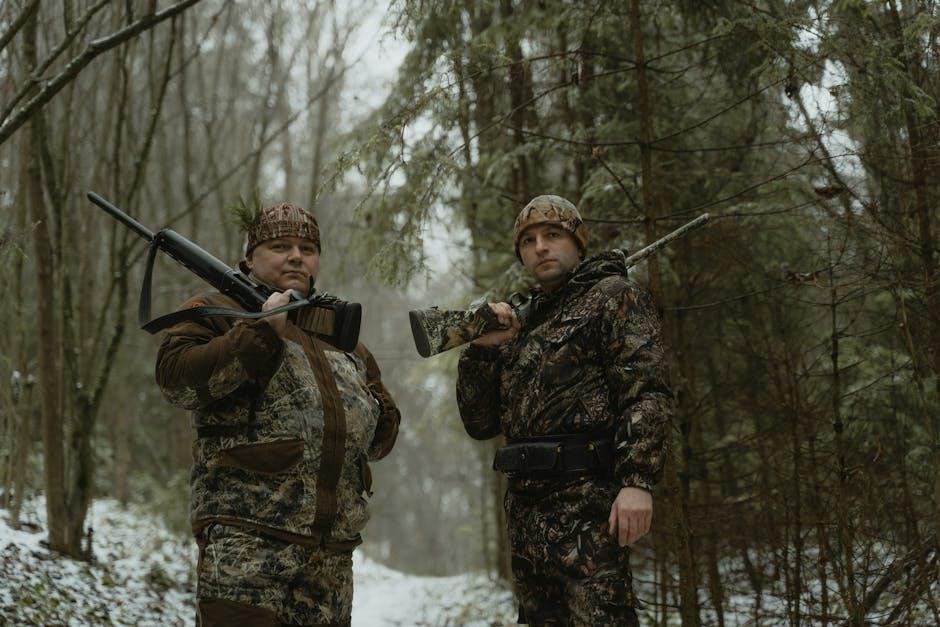
Prioritize safety with hunter education courses and diligent gun handling practices. Maintain awareness of surroundings, identifying potential hazards and fellow hunters at all times.
Hunter Safety Courses
Tennessee requires hunters, particularly those new to the sport, to complete a hunter safety course before obtaining a hunting license. These courses, offered by the Tennessee Wildlife Resources Agency (TWRA), cover crucial topics like firearm safety, ethical hunting practices, wildlife identification, and survival skills.
Successful completion demonstrates a commitment to responsible hunting and significantly reduces the risk of accidents in the field. Online and in-person options are available, catering to diverse learning preferences and schedules. Prioritizing this education is paramount for a safe and enjoyable turkey hunting experience.
Safe Gun Handling Practices
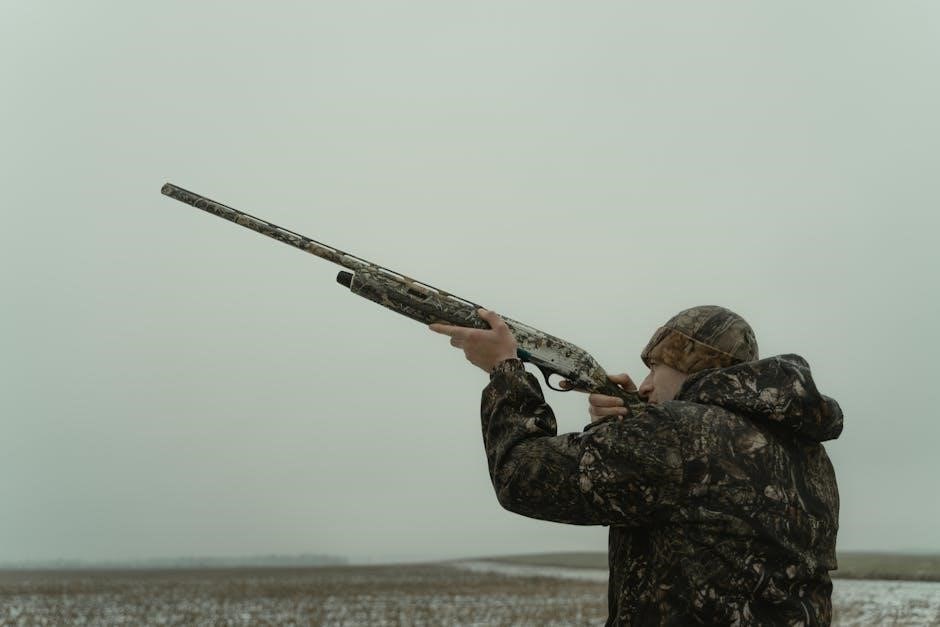
Prioritizing firearm safety is non-negotiable during any Tennessee turkey hunt. Always treat every firearm as if it’s loaded, maintaining a safe muzzle control direction at all times. Keep your finger off the trigger until ready to shoot, and be certain of your target and what lies beyond.
Proper storage and transportation of firearms are also essential. Guides emphasize these practices, ensuring hunters understand and adhere to strict safety protocols throughout the hunt, minimizing risks and promoting responsible behavior.
Awareness of Surroundings
Diligent situational awareness is paramount when turkey hunting in Tennessee’s varied landscapes. Hunters must constantly scan their surroundings, identifying potential hazards like other hunters, wildlife, or uneven terrain. Experienced guides stress the importance of knowing your backstop and being mindful of shooting lanes.
Remaining alert to changing conditions, such as weather patterns or animal movements, enhances safety and improves the overall hunting experience. Guides actively promote this vigilance, ensuring a secure and responsible hunt for all participants.
Tennessee Wildlife Management Areas (WMAs) for Turkey Hunting
Tennessee’s WMAs offer public hunting lands, requiring familiarity with specific regulations and access guidelines. Guides expertly navigate these areas, maximizing opportunities while ensuring compliance.
Popular WMAs for Turkey Hunting
Tennessee boasts numerous WMAs renowned for exceptional turkey populations. Guides frequently recommend Fall Creek Falls State Park WMA, known for its diverse terrain and abundant bird numbers, offering challenging yet rewarding hunts.
North Cumberland WMA, with its expansive forested areas, is another favorite, while Percy Priest WMA provides accessible hunting near Nashville. Guides possess intimate knowledge of each WMA’s layout, turkey concentrations, and seasonal patterns.
They expertly navigate these public lands, ensuring hunters adhere to all regulations and maximize their chances of success, providing a safe and productive experience.
WMA Regulations and Restrictions
Tennessee WMAs operate under specific regulations that guides meticulously explain to clients. These often include limitations on hunting days, permitted weapons, and bag limits, varying by WMA and season.
Guides ensure compliance with rules regarding hunter orange requirements, check-in/check-out procedures, and restrictions on vehicle access within WMAs. Understanding these regulations is paramount for a legal and ethical hunt.
Experienced guides stay updated on any changes to WMA rules, providing hunters with accurate information and preventing potential violations.
Accessing WMAs
Tennessee WMAs offer diverse access points, ranging from established roads to walk-in trails, which guides expertly navigate. Many require specific permits or check-in procedures before entering, managed efficiently by experienced professionals.
Guides often possess detailed knowledge of WMA layouts, identifying optimal access routes and parking areas to minimize disturbance and maximize hunting opportunities.
They ensure clients understand any gate closure schedules or seasonal access restrictions, guaranteeing a smooth and legal entry and exit from the hunting area.

The Role of Conservation in Tennessee Turkey Hunting
Guides champion ethical hunting and habitat preservation, vital for sustaining Tennessee’s turkey populations. Responsible practices ensure future generations enjoy this cherished outdoor tradition.
Turkey Population Management
Tennessee Wildlife Resources Agency (TWRA) actively manages turkey populations through careful monitoring, research, and adaptive harvest strategies. Experienced guides play a crucial role in this process, often collaborating with TWRA by reporting harvest data and observing turkey behavior in their hunting areas.
Sustainable hunting, guided by science-based regulations, is a cornerstone of population control, preventing overpopulation and ensuring healthy flocks. Guides educate hunters on ethical harvest practices and the importance of selective hunting, contributing to the long-term health of Tennessee’s turkey resource.
Habitat Preservation
Tennessee’s diverse landscapes require dedicated habitat preservation efforts to support thriving turkey populations. Turkey hunting guides frequently advocate for and participate in habitat improvement projects, recognizing the direct link between quality habitat and successful hunts.
These initiatives include forest management practices, creating early successional habitats, and promoting native vegetation, all vital for turkey nesting, brooding, and foraging. Guides often work with landowners and conservation organizations to implement these practices, ensuring the long-term sustainability of Tennessee’s turkey hunting heritage.
Responsible Hunting Practices
Tennessee turkey hunting guides prioritize ethical and responsible hunting practices, ensuring the sustainability of the state’s wild turkey population. Guides emphasize fair chase principles, promoting selective harvesting and adherence to all Tennessee Wildlife Resources Agency (TWRA) regulations.
They educate hunters on proper game care, respecting the animal, and minimizing waste. Responsible hunting also includes respecting private property, practicing safe gun handling, and contributing to conservation efforts, fostering a positive image of hunters and preserving this tradition.
Tennessee Turkey Hunting Outfitters ‒ A Comparison
Tennessee boasts numerous turkey hunting outfitters, each offering unique services and experiences. Evaluating reputation, pricing, and specialized hunts is vital for a successful trip.
Outfitter A: Services and Reputation
Outfitter A, a long-standing Tennessee operation, specializes in guided turkey hunts on both private and public lands, catering to varying experience levels. They are known for their experienced guides possessing intimate knowledge of local turkey populations and hunting patterns.
Services typically include fully guided hunts, lodging options ranging from rustic cabins to comfortable lodges, and meal provisions. Outfitter A consistently receives positive reviews highlighting their professionalism, successful hunt rates, and commitment to ethical hunting practices.
However, some reports suggest their pricing is higher compared to competitors, reflecting the premium services offered. They emphasize a personalized approach, tailoring hunts to individual hunter preferences.
Outfitter B: Services and Reputation
Outfitter B distinguishes itself by focusing on affordable, high-quality turkey hunts primarily on public Tennessee Wildlife Management Areas (WMAs). They cater to hunters seeking a more budget-friendly option without compromising on the hunting experience. Their guides are well-versed in navigating WMA regulations and locating productive turkey hotspots.
Services generally include guided hunts and access to scouting reports, though lodging and meals are typically the hunter’s responsibility. Outfitter B boasts a strong reputation for honesty and transparency, with many clients praising their dedication to fair chase hunting.
Outfitter C: Services and Reputation
Outfitter C specializes in luxury, fully-guided turkey hunts on exclusive private land leases throughout Middle Tennessee. They offer all-inclusive packages, encompassing comfortable lodging, gourmet meals prepared by an on-site chef, and personalized attention from seasoned guides. Outfitter C is known for its meticulous attention to detail and commitment to providing a premium hunting experience.
Their reputation is built on consistently harvesting mature birds and exceeding client expectations. While pricier, many hunters consider the convenience and success rate worth the investment.
Leave a Reply